
Internal tensions erupt at Man United as Amorim clashes with board after failed January deals
Manchester United are facing another period of internal turbulence, and once again, the spotlight is firmly on the manager. Ruben Amorim’s extraordinary outburst following the 1-1 draw with Leeds has exposed deep cracks behind the scenes, raising major questions about whether his project can realistically survive.
The Portuguese coach took issue with his official title, insisting he is the “manager” of Manchester United rather than merely a “head coach”. While that distinction may appear semantic on the surface, it reflects a far deeper conflict over authority, control, and long-term vision. Amorim’s words were not emotional slip-ups; they were deliberate, calculated, and unmistakably confrontational.
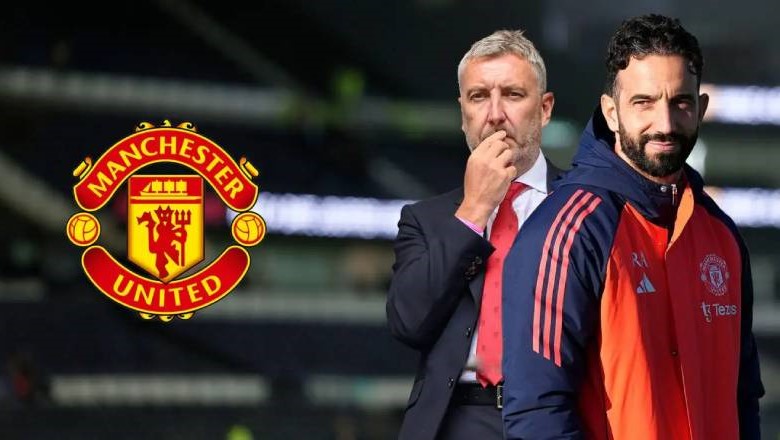
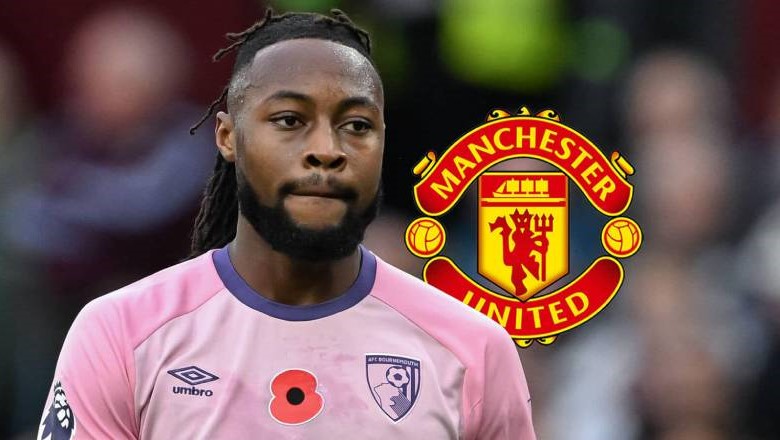
His comments also appeared to target the club’s recruitment structure. The failed pursuit of Bournemouth winger Antoine Semenyo became a flashpoint, with Amorim hinting that key decisions are being made without his full backing. In modern elite football, such disconnects between manager and hierarchy rarely end well.
Despite the tension, Amorim made it clear he has no intention of resigning. Instead, he challenged the board to either fully support him or move on. By publicly stating that his role would last “18 months or until the board decides to change”, Amorim effectively drew a line in the sand. It was a statement that sounded less like confidence and more like a warning.
On the pitch, results have done little to calm the storm. United have won just three of their last 11 matches, with injuries, inconsistency, and tactical vulnerabilities continuing to undermine progress. Although the draw against Leeds briefly lifted them to fifth in the table, performances have failed to convince supporters that a clear identity is taking shape.
Behind the scenes, reports suggest friction with director of football Jason Wilcox and head of recruitment Christopher Vivell. Amorim has previously admitted that “common ground” must be found on transfers, but his recent tone suggests that compromise is becoming increasingly difficult.
Manchester United have attempted to project unity, yet Amorim’s words tell a different story. He believes the job he accepted is no longer the job he is being allowed to do. At a club already scarred by managerial instability, that perception is deeply troubling.
Whether the board backs Amorim or decides to pull the plug, one thing is clear: the situation is no longer sustainable. When a Manchester United manager publicly questions his authority, history suggests the end is rarely far away.
The Most Popular
-
 When does the English Premier League start? Top 5 most decorated clubs of the league
 -
 Belgium football kit history: Ranking the greatest kits ever
 -
 Who is the captain of the Argentina football team in 2022? The year Argentina conquered the world
 -
 Top 5 players fastest to 100 Premier League goals: Erling Haaland etches his name into history
 -
 How are FIFA player ratings calculated? Breaking down the secret behind the numbers on the card
 -
 All Neymar’s jersey numbers: Featuring both 7 and 10
 -
 Japan national football team players at World Cup 2026: 11 stars who can take the Blue Samurai deep
 -
 Why did Edinson Cavani leave PSG? Uncovering the real story behind the Uruguayan striker’s exit
 -
 How much did Bayern pay for Mane? Top 5 Bayern Munich’s record signings
 -
 How much did Tottenham pay for Richarlison? Top record signings of Tottenham