
Shock boycott movement emerges as 2026 World Cup approaches
There are rising signs of discontent among some football supporters ahead of the 2026 FIFA World Cup, with social media campaigns and reported ticket cancellations fueling talk of a possible fan boycott. Much of the unease appears linked to political and security issues surrounding the United States, which will host the majority of matches.
FIFA reporting massive ticket request numbers during sales phases. Nonetheless, reports from outlets such as Roya News suggest that around 16,800 ticketholders withdrew their participation in one night, a figure that reflects cancellations in the third phase of the ticket process rather than formal refunds. Supporters who have shared their decisions online have given a range of reasons for opting out.
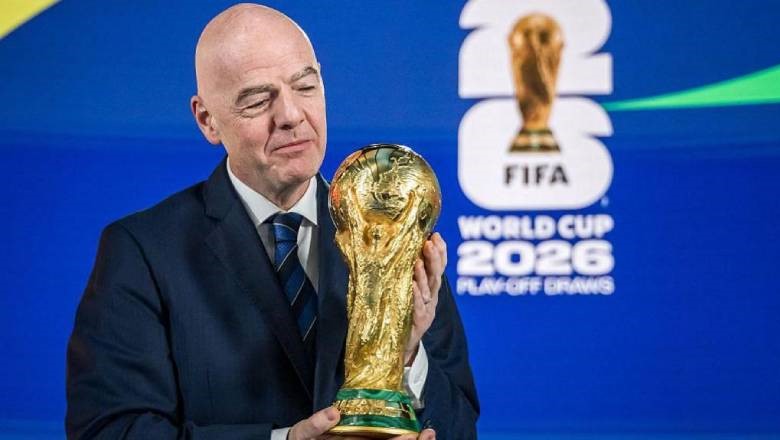
Safety concerns and discomfort with the political environment in the U.S. feature prominently, particularly among fans from Europe, South America and Africa. Some cited fears related to immigration policy enforcement and perceived threats from government agencies, reflecting broader anxieties over the climate in host cities.
These voices have coalesced around hashtags like #BoycottWorldCup, which have circulated widely on platforms such as X, Threads and other social networks. Posts include appeals for fans to cancel travel plans and avoid international events in the U.S. until political conditions change, with some proponents even linking the boycott to wider global issues beyond sport.
However, experts and fact checkers caution against viewing the cancellations as evidence of a widespread boycott capable of significantly affecting the tournament. Ticket cancellation figures originate primarily from applications during the lottery or association phases of sales rather than confirmed purchases that are subject to FIFA’s strict refund policies. Some commentators point out that millions of tickets are still expected to be sold and that overall demand remains extraordinarily high.
There are additional sources of discontent that overlap with boycott sentiment. Travel restrictions under U.S. policy have complicated access for fans from certain countries; for example, visa bans affecting citizens of multiple nations have left supporters from parts of Africa and the Middle East uncertain about their ability to attend. These barriers, combined with rising ticket costs and logistical challenges, have contributed to frustration among some fan communities.
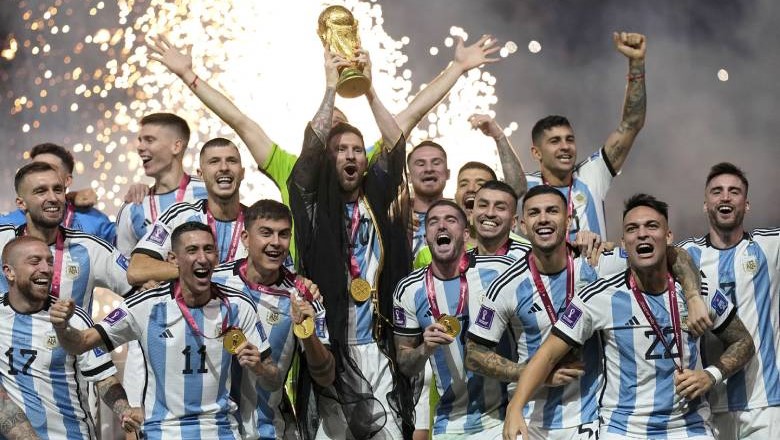
FIFA has responded by scheduling an emergency meeting of senior officials, member associations and tournament organisers to address mounting backlash and reassure fans. The governing body has denied that any mass boycott is underway, emphasising that overall ticket sales remain stable and that cancellations represent a small portion of global interest.
While calls for boycott will likely continue in some online circles, the real test will come as the tournament draws nearer. With the World Cup still months away and travel plans being finalised by millions of supporters, many analysts expect that actual attendance will still be robust, particularly given the historic expansion and global appeal of the 2026 event.
The Most Popular
-
 When does the English Premier League start? Top 5 most decorated clubs of the league
 -
 Belgium football kit history: Ranking the greatest kits ever
 -
 Who is the captain of the Argentina football team in 2022? The year Argentina conquered the world
 -
 Top 5 players fastest to 100 Premier League goals: Erling Haaland etches his name into history
 -
 How are FIFA player ratings calculated? Breaking down the secret behind the numbers on the card
 -
 All Neymar’s jersey numbers: Featuring both 7 and 10
 -
 Japan national football team players at World Cup 2026: 11 stars who can take the Blue Samurai deep
 -
 Why did Edinson Cavani leave PSG? Uncovering the real story behind the Uruguayan striker’s exit
 -
 How much did Bayern pay for Mane? Top 5 Bayern Munich’s record signings
 -
 How much did Tottenham pay for Richarlison? Top record signings of Tottenham