
What a transformation! Amorim reveals tactical switch behind Man United’s crucial three points against Newcastle
Ruben Amorim’s decision to abandon his preferred three-at-the-back system marked a significant tactical turning point for Manchester United in their Boxing Day win over Newcastle. For weeks, the Portuguese coach had faced mounting pressure to adjust a defensive structure that was conceding goals at an alarming rate. Against Newcastle, he finally opted for a back four, prioritising control, balance and attacking threat over ideological consistency.
United lined up with Diogo Dalot, Ayden Heaven, Lisandro Martinez and Luke Shaw in a traditional defensive line, a setup designed to reduce vulnerability in wide areas and allow more players to operate centrally. Despite having just 33 percent possession, the system enabled United to play with greater compactness and purpose, ultimately securing a narrow but crucial victory.
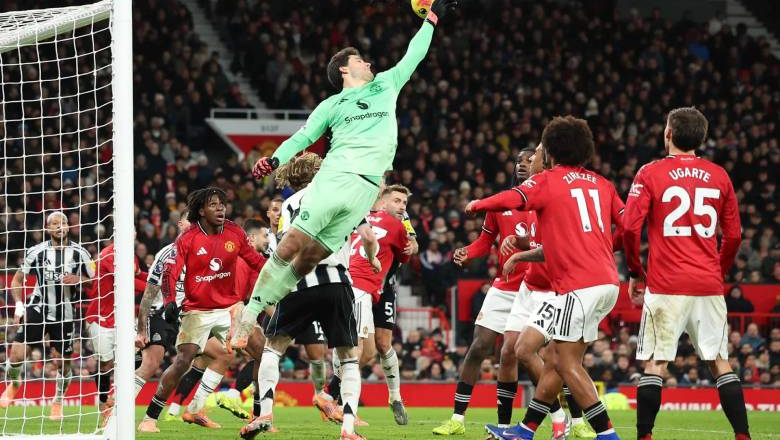
Amorim was clear that the tactical switch was not a philosophical surrender, but a calculated response to the specific demands of the game. Explaining his thinking, he said: “I think in the first half we showed it was the only way to create more danger, was with a back four, with a lot of guys inside, even to keep the ball.” The United coach also referenced past experiences to justify the change, pointing out how previous tactical flaws had been exploited. “I remember from the game last year, we lost 1 vs 1 outside so we just tried to imagine the game of the players to feel comfortable,” Amorim explained, underlining that the decision was rooted in pragmatism rather than panic.
One of the key benefits of the new setup was the freedom it gave to attacking players. Amorim highlighted how positional adjustments helped individuals perform more effectively within the system. “You put Dorgu in a position that is more in front where the responsibility is not the same, he has more freedom to lose the ball and I think it helped Patrick play better,” he said. The reshaped structure also allowed midfielders to support attacks without leaving the defence exposed.
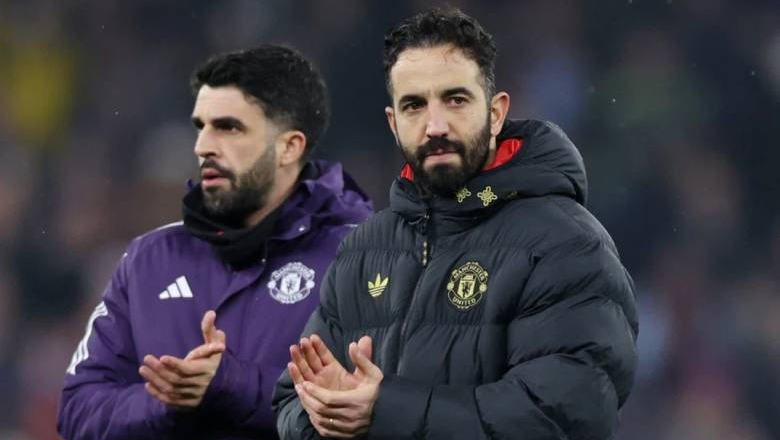
The significance of this shift is amplified by Amorim’s own words from earlier in the season, when he famously insisted that nothing could force him to change his approach. Speaking after a previous match, he had stated: “No one could make me change. Not even the Pope. This is my job. This is my responsibility. This is my life. So, I will not change that.”
Boxing Day showed that Amorim is willing to evolve when circumstances demand it. While the long-term future of United’s tactical identity remains open, the move to a back four demonstrated a readiness to adapt in pursuit of results. For Manchester United, this shift may represent the beginning of a more flexible and effective tactical era under Amorim.
The Most Popular
-
 When does the English Premier League start? Top 5 most decorated clubs of the league
 -
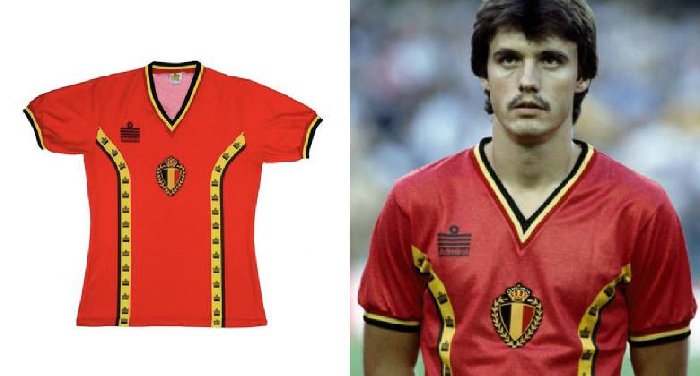 Belgium football kit history: Ranking the greatest kits ever
 -
 Who is the captain of the Argentina football team in 2022? The year Argentina conquered the world
 -
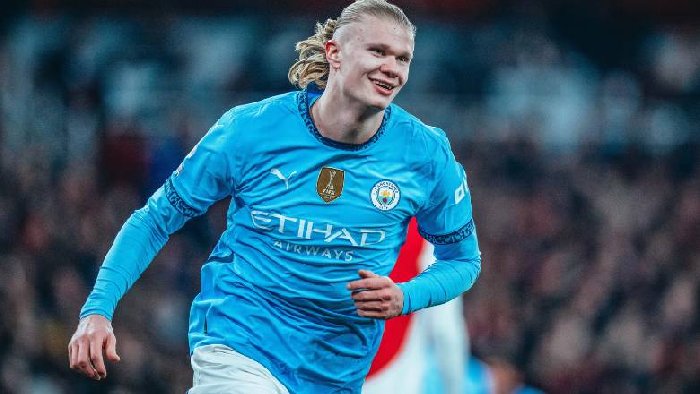 Top 5 players fastest to 100 Premier League goals: Erling Haaland etches his name into history
 -
 How are FIFA player ratings calculated? Breaking down the secret behind the numbers on the card
 -
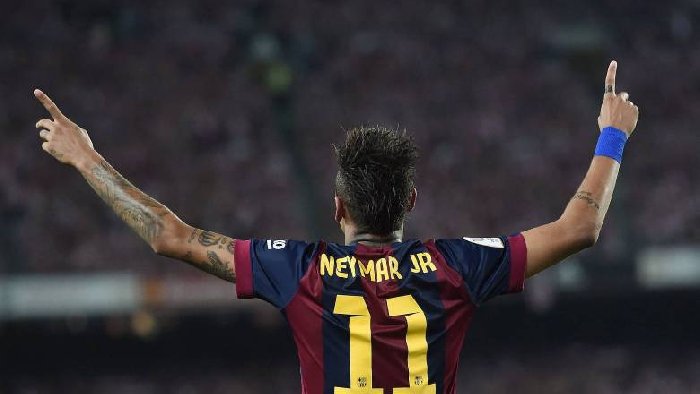 All Neymar’s jersey numbers: Featuring both 7 and 10
 -
 Japan national football team players at World Cup 2026: 11 stars who can take the Blue Samurai deep
 -
 Why did Edinson Cavani leave PSG? Uncovering the real story behind the Uruguayan striker’s exit
 -
 How much did Bayern pay for Mane? Top 5 Bayern Munich’s record signings
 -
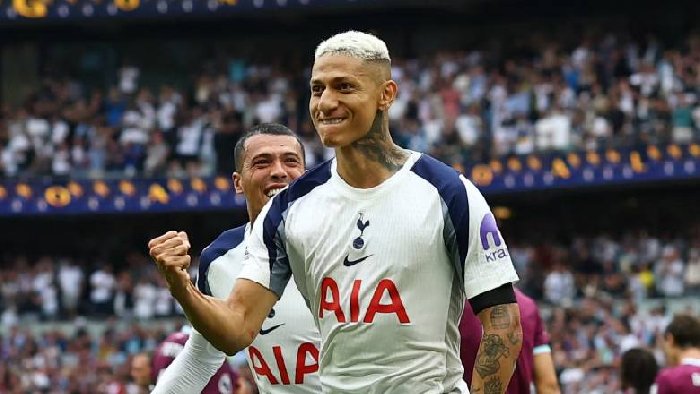 How much did Tottenham pay for Richarlison? Top record signings of Tottenham